.jpg?h=446&w=792&mode=crop&scale=canvas&format=webp&quality=90&autorotate=true)
Advertisement - A good night's sleep is one of the most important factors for a successful hotel stay. Guests may not remember every detail of the breakfast buffet, but they do remember whether they slept well. Whether the bed was too hard or the pillow too stiff. We'll now show you how an organic hotel can consistently implement sustainability and well-being right up to the bedroom:
Sleep quality as a crucial success factor
Today's travelers are more demanding than ever. Besides comfort, cleanliness, and service, one thing in particular is gaining importance: genuine relaxation. Stress, screen time, and sensory overload characterize the daily lives of many people. On vacation, they specifically seek out places where they can find peace and quiet.
Recent studies also show that this need is real: 58% of working people report sleeping better on vacation than at home ( KAYAK study ). At the same time, more than a third feel constantly exhausted or suffer from sleep deprivation in their daily lives.
At the same time, sleep itself is becoming a travel motive: The trend of “ sleep tourism ” shows that hotels are increasingly advertising specifically with sleep quality, regeneration and holistic relaxation concepts.
For hotels, this means that actively improving sleep quality not only increases satisfaction, but also the recommendation rate and guest loyalty.
More than just a good mattress
Many hotels are already investing in high-quality mattresses. But good sleep results from the interplay of several factors:
Indoor climate : Natural materials regulate temperature and humidity better than synthetic alternatives.
Air circulation : Breathable textiles prevent heat build-up and promote a pleasant sleeping environment.
Ergonomics : The right support for the neck and spine is crucial.
Noise and light reduction : Darkness and quiet remain essential – even in a sustainable context.
Especially in the head and neck area, there is often an underestimated lever for better sleeping comfort.
Sleep naturally: The difference lies in the details
Conventional pillows are often made of synthetic materials that retain heat and offer little adaptability. This can lead to restless sleep, sweating, or muscle tension.
In practice, this reveals an interesting contradiction: Many hotels already place great emphasis on high-quality, often eco-friendly mattresses – yet the potential for improvement in pillows often remains untapped. The classic 80x80 cm square pillows are still standard in many German hotel rooms.
Many people are familiar with this: It's often not quite clear how you're supposed to lie on it. Too bulky for side sleeping, too unstable for back sleeping – the pillow ends up folded, crumpled, or half-shoved under the head. This is rarely ergonomically sound.
More compact sizes, such as 40×80 cm , are significantly better suited, as they provide targeted neck support and promote a more natural sleeping position. Combined with the right filling, this makes a real difference in sleep quality.
Natural alternatives offer clear advantages:
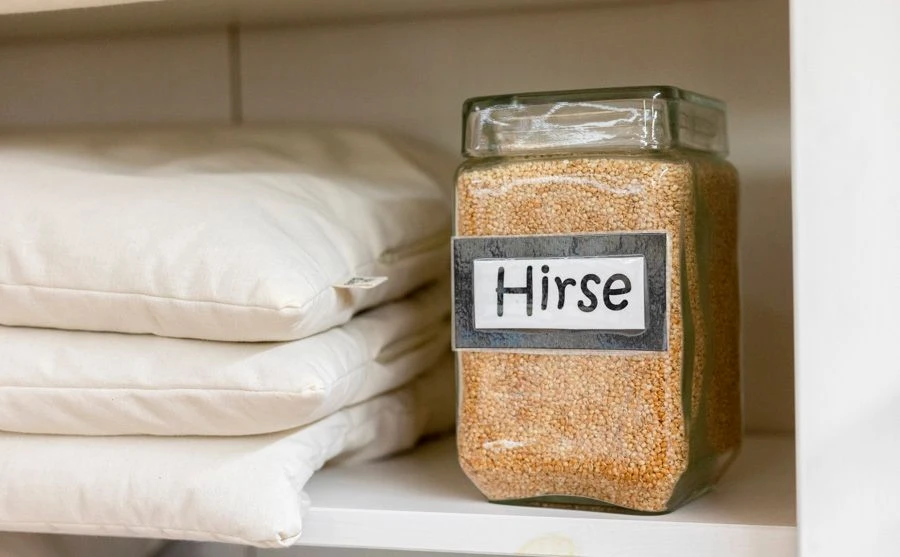
- Adaptability : Fillings such as spelt husks or millet husks adapt individually to the sleeping position and gently support the head and neck area.
- Breathability : Air can circulate – for a balanced, natural sleeping climate.
- Sustainability : Renewable organic raw materials instead of petroleum-based materials. The materials used bind CO2 and are compostable.
- Durability : High-quality natural products retain their properties over a long period of time.
For organic hotels, this results in a particularly coherent overall picture: While ecological mattresses are often already standard, the right pillow can activate a previously underestimated lever.
Specialized providers like dönz7 address this issue directly, offering natural, ergonomically designed pillow solutions specifically developed for use in hotels – enabling guests to sleep noticeably better.
Sustainable partner solutions for hotels
Specialized partners are crucial for implementing such concepts. dönz7 has focused on developing natural sleep solutions specifically for use in the hotel sector – with a clear understanding of the requirements of daily operations.
The focus is on:
- high-quality biological materials
- Durable and easy-care products for professional use
- well-thought-out solutions that combine comfort and sustainability
A key difference lies in the pillow fillings: instead of synthetic materials, dönz7 uses natural raw materials such as spelt husks or millet husks . The pillow cover is made of pure organic cotton . The husks adapt flexibly to the head and neck, providing stable yet flexible support and also allowing for balanced heat and moisture distribution.
The result is a healthy, natural sleeping environment – less heat build-up, less sweating, and a pleasantly restful lying position. At the same time, the fillings are robust, refillable, and therefore ideal for long-term use in hotels.
Learn more about dönz7's spelt pillows here: https://www.doenz7.de/b/spelzenkissen-bei-nackenschmerzen-schwitzen-schnarchen
Conclusion: Small change, big impact
The sleeping area is often underestimated – yet it's one of the most emotionally impactful touchpoints in a hotel. Focusing on natural materials and well-thought-out solutions here can significantly improve the guest experience.
Or to put it another way: Organic doesn't end at breakfast. It starts in bed.
This presents a great opportunity for organic hotels – to position themselves even more clearly and offer their guests exactly what they are looking for: genuine relaxation.
Many organic hotels already offer guests the option to individually select and book natural pillows for their rooms or purchase them in the hotel shop. To complete the experience, dönz7 handles the shipping to guests' addresses. This way, guests can take home more than just wonderful memories of their relaxing holiday.
.png?h=64&w=200&mode=max&scale=canvas&format=webp&quality=90&autorotate=true)
.jpg?h=165&w=248&mode=crop&scale=canvas&format=webp&quality=90&autorotate=true)
.jpg?h=165&w=248&mode=crop&scale=canvas&format=webp&quality=90&autorotate=true)
.jpg?h=165&w=248&mode=crop&scale=canvas&format=webp&quality=90&autorotate=true)


.png)